
To measure your bra size correctly at home, you need two measurements: your band size (the circumference around your ribcage, directly under the bust) and your bust size (the circumference around the fullest part of your chest). The difference between these two numbers gives you your cup size. All you need is a soft measuring tape and two minutes.
The Bra That Sort of Fits Is Not Actually Fitting You:
Most women have never been properly measured for a bra. They started wearing one in whatever size was handed to them, bought the same size for years out of habit, and quietly tolerated the consequences, straps that dig in, bands that ride up, cups that gape or overflow, underwires that poke by midday.
None of that is just “how bras feel.” That is a sizing problem. And the fix is simpler than most people expect.
Measuring your bra size at home takes less than five minutes, requires no special equipment, and gives you accurate information that changes how every bra you own and every bra you buy next actually fits.
What You Need to Measure Your Bra Size at Home:
To measure bra size at home correctly, you need:
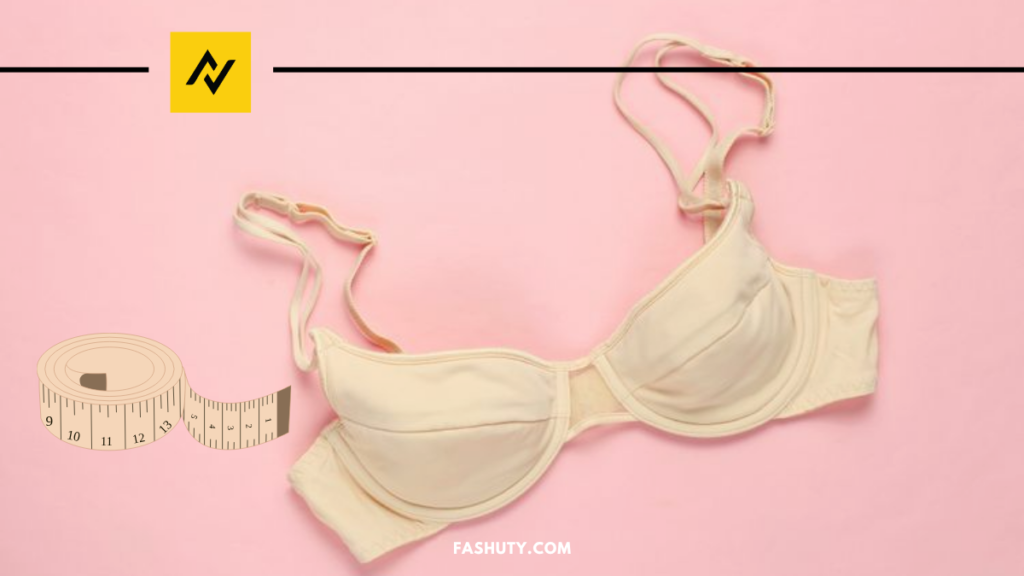
- A measuring tape: the kind used for sewing or tailoring. A rigid ruler or tape measure will not curve around the body and will give inaccurate results.
- A non-padded, unlined bra or no bra at all. Padding adds volume that distorts your bust measurement.
That is it. No professional equipment, no fitting room, no awkward shop assistant required.
How to Measure Your Bra Size Correctly at Home: Step-by-Step
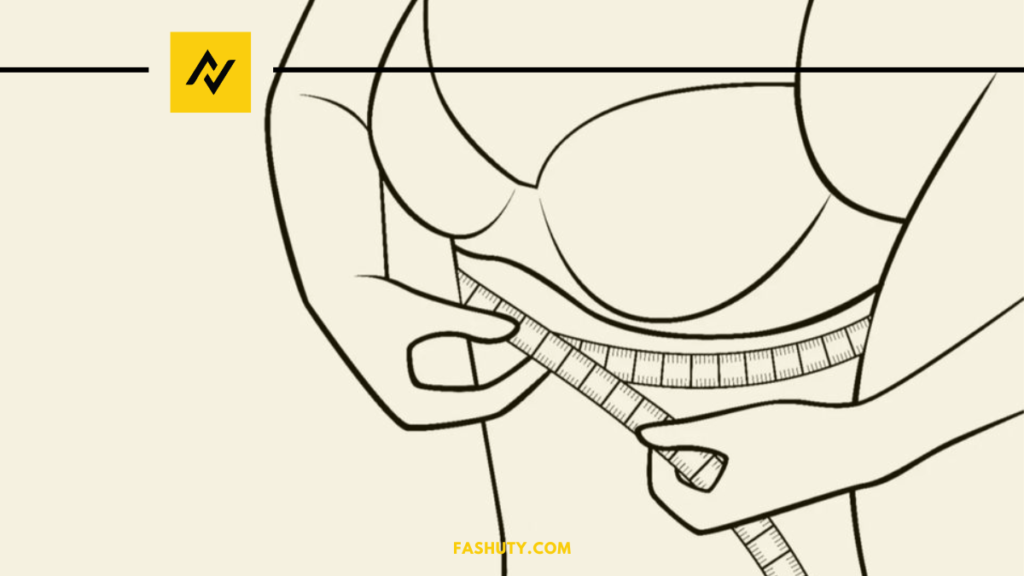
Step 1: Measure Your Band Size
Stand straight and breathe normally. Wrap the measuring tape around your ribcage, directly under the bust where the bra band sits. The tape should sit parallel to the floor, firm but not tight. You should be able to fit two fingers underneath it comfortably. Note this number in inches or centimetres.
Rounding your band size:
- If your measurement is an even number, that is your band size.
- If it is an odd number, round up to the next even number.
For example: if you measure 31 inches, your band size is 32. If you measure 33 inches, your band size is 34.
Step 2: Measure Your Bust Size
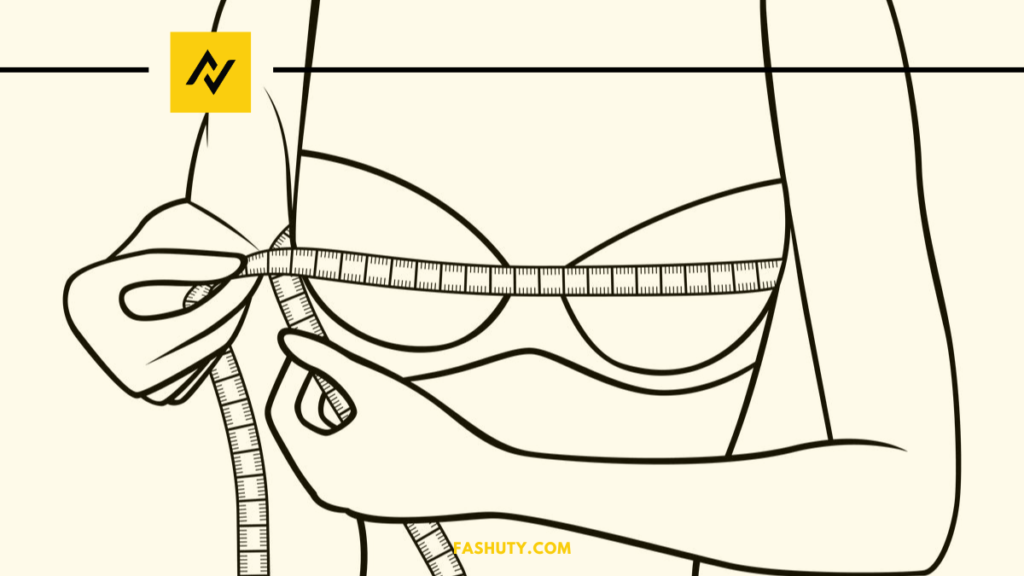
Keep the tape measure and stand in the same position. Now wrap the tape around the fullest part of your bust. typically across the nipple line. The tape should be level at the back, not pulled tight, and not so loose that it sags. It should sit smoothly across the chest with no digging.
Note this number.
Step 3: Calculate Your Cup Size
Subtract your band size from your bust measurement. The difference in inches tells you your cup size.
| Difference (inches) | Cup Size |
| Less than 1 inch | AA |
| 1 inch | A |
| 2 inches | B |
| 3 inches | C |
| 4 inches | D |
| 5 inches | DD / E |
| 6 inches | F |
| 7 inches | G |
Example: Band measurement = 32 inches. Bust measurement = 36 inches. Difference = 4 inches = D cup. Bra size: 32D.
Step 4: Check the Fit Before Assuming the Size Is Right
A measurement gives you a strong starting point not a guaranteed perfect fit. Because bra sizing varies between brands, the number you calculate may need a minor adjustment when you try a bra on.
Use the fit check below to confirm your size is working before committing to it.
How to Know If Your Bra Fits Correctly?
Once you have a bra on in your calculated size, check these five points:
The band: Should sit horizontally level all the way around not riding up at the back. On the loosest hook, it should feel snug but not tight. You should be able to slide two fingers underneath it at the front.
The cups: Should fully contain the breast with no overflow at the top or sides, and no gaping. If the cup wrinkles or collapses inward, go down a cup size. If breast tissue spills over the top or sides, go up a cup size.
The underwire: Should lie flat against the ribcage, following the natural base of the breast. It should not sit on any breast tissue, and should not poke or dig at the centre front.
The straps: Should stay in place with the tension adjusted so they do not dig into the shoulder or fall off it. Straps carry only around 10–20% of the bra’s support — if you are relying on them heavily, your band is too loose.
The centre gore: The small piece of fabric between the cups should lie flat against the sternum. If it lifts away from the body, the cups are too small.
What to Do If Your Exact Size Is Not Available:
If a bra is unavailable in your calculated size, sister sizes allow you to get the same cup volume in a different band size.
To go up a band size, go down a cup size: a 34C and a 36B have the same cup volume. To go down a band size, go up a cup size: a 34C and a 32D have the same cup volume.
Sister sizes are useful for shopping across brands where sizing runs slightly larger or smaller than expected.
Common Bra Measuring Mistakes to Avoid:
Measuring over a padded bra: Padding adds 1–2 cup sizes to your bust measurement, making your cup appear larger than it is. Always measure without a bra or in an unlined style.
Pulling the tape too tight: A band measurement taken with a tight tape produces a smaller number than your actual size, leading to a band that is too small and cups that are too large. The tape should be firm, not compressed.
Not checking whether the tape is level: If the tape dips at the back, your bust measurement will read lower than it should. Use a mirror or measure with someone’s assistance to confirm it sits evenly.
Assuming one size fits all brands: A 34B in one brand may fit differently to a 34B in another. Always try before committing, especially when buying a new brand for the first time.
Never re-measuring: Bra size changes with weight, hormonal shifts, pregnancy, and age. Measuring once and assuming the number is permanent is one of the most common reasons women end up in the wrong size. Measure at least once a year.
What If the Measurement Still Does Not Feel Right?
If the band feels right but the cups do not, adjust the cup size only. Either go up or down one cup while keeping the band the same. Fit is a process of small adjustments. The measurement gives you the right starting point; the try-on confirms it.
Conclusion
Measuring your bra size correctly at home is a two-step process; band measurement under the bust, bust measurement at the fullest point, and the difference between them gives you your cup size. Getting this right takes minutes and makes a genuine difference to how every bra you wear fits, feels, and supports you through the day. Re-measure once a year, adjust for brand variation when needed, and use the fit checklist above to confirm a bra is actually working before keeping it. For more guides on bras, intimates, and building a wardrobe that works, read more on Fashuty.