
Shapewear is a category of fitted undergarments designed to smooth, compress, and reshape specific areas of the body under clothing. It works by distributing and compressing body tissue to create a more streamlined silhouette making outfits sit better, look cleaner, and feel more polished without altering your actual body in any permanent way.
That One Outfit That Never Sits Right; Shapewear Might Be the Answer
You know the feeling. You find the perfect outfit; a fitted kurta, a bodycon dress for a wedding and it looks almost right. Almost. There is something slightly off. A little bunching here, a slight ridge there, the fabric not sitting as cleanly as it did on the mannequin.
For a lot of women, the honest conversation about shapewear just never happens. We know it exists. We have seen it in shops. But nobody really explains what it does, which type you actually need, or whether it is worth buying at all.
Here is the short answer: shapewear is not about changing your body. It is about making your clothes fit the way they are supposed to. A good piece of shapewear changes how your entire outfit sits.
This guide covers everything: what shapewear is, why it matters, the different types, how to choose the right one, and the mistakes most women make the first time they try it.
What Is Shapewear?
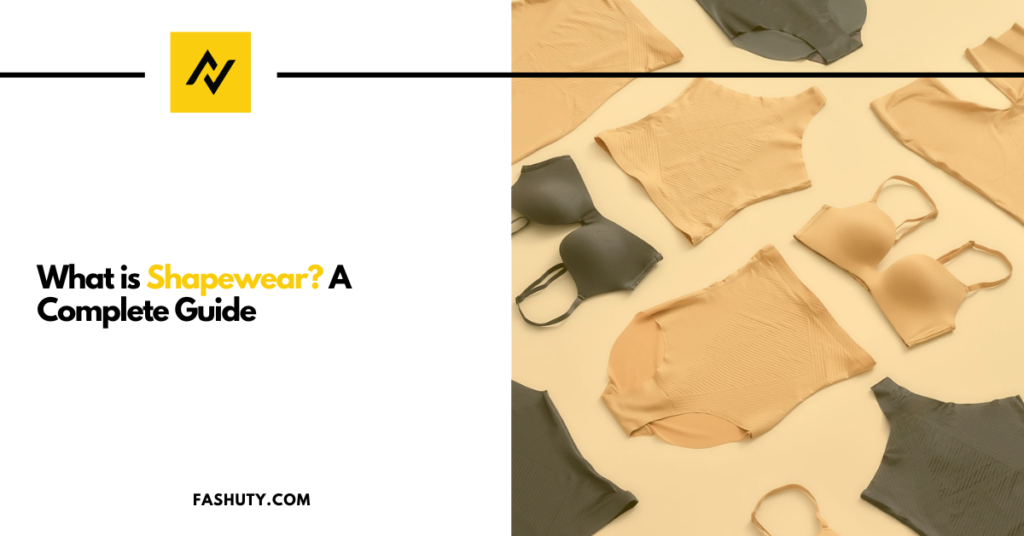
Shapewear is a form of compression undergarment worn beneath clothing to smooth the body’s silhouette. It is made from high-stretch fabrics that grip and compress the skin to reduce the appearance of lumps, lines, and unevenness under fitted clothing.
Modern shapewear is designed with graduated compression: firmer in areas that need the most smoothing, softer in areas that need to breathe and move. It does not change your body shape permanently. It temporarily redistributes tissue and smooths the surface so that clothing sits flat and clean against the body.
Shapewear today is available in a wide range of styles; from full-body suits to targeted waist cinchers and is worn by women across all body types and sizes.
Why Does Shapewear Matter?
Choosing the right shapewear is less about appearance and more about how confidently and comfortably you wear your clothes.
- It makes fitted clothing sit correctly. Many garments such as bodycon dresses, fitted kurtis, pencil skirts, saris with tight blouses are designed to be worn over a smooth foundation. Without one, the fabric catches, bunches, or shows lines that were never part of the design.
- It boosts confidence without restriction. The right size & style should not hurt or restrict breathing. When it fits correctly, most women describe simply feeling more held together and less distracted by their outfit throughout the day.
- It extends the wearability of your wardrobe. Garments you may have set aside because they do not sit right can often be brought back into rotation with the right foundation layer underneath.
Types of Shapewear: A Complete Style Guide
1. What Is a Waist Cincher and What Does It Target?
A waist cincher is a wide, firm band worn around the midsection; from just below the bust to the top of the hips to compress and slim the waist. It is the most targeted type of shapewear, focused specifically on the midsection without covering the hips, thighs, or bust.
Best for: High-waisted skirts, fitted shirts, saree blouses, and any outfit where the waist is the focal point. Modern waist cinchers now come with breathable mesh panels and hook-and-eye closures that allow for more precise fit adjustment.
2. What Are Shaping Shorts and Who Should Wear Them?
Shaping shorts are fitted, compression shorts that cover the waist, hips, and thighs typically falling to the mid or upper thigh. They are the most versatile type of shapewear and the most commonly worn.
Best for: Bodycon dresses, fitted shalwars, kurtas, and any outfit where you want both thigh coverage and midsection smoothing.Shaping shorts double as anti-chafing shorts, making them a practical investment for summer months and long events like weddings.
3. What Is a Shaping Bodysuit and When Do You Need One?
A shaping bodysuit is a full-torso compression garment covering the bust, midsection, and hips in a single piece. It creates a seamless, smooth line from chest to hip, ideal for outfits where you need consistent smoothing across multiple areas.
Best for: Tight dresses, formal event outfits, bodycon silhouettes, and any look where you want no visible lines anywhere from the chest down.Many shaping bodysuits now include underwire bust support, making them a genuine bra replacement as well as a shaping layer.
4. What Are High-Waisted Shaping Briefs?
High-waisted shaping briefs are fitted underwear that rises to the natural waist, combining standard underwear coverage with light compression across the belly and hips. They are the most subtle entry point into shapewear.
Best for: Women new to shapewear, everyday use under fitted tops, and outfits that need light smoothing rather than heavy compression.
5. What Is a Full Body Shaper?
A full body shaper covers from the shoulders or bust all the way to the thighs in a single garment, providing comprehensive compression across the entire torso. It is the most complete shapewear option and typically reserved for special occasions like weddings, formal events, fitted evening wear.
Best for: Heavy fabrics, fitted formal outfits, and any occasion where you want everything smoothed from top to bottom. Full body shapers require more effort to put on and wear. Size up if you are between sizes; too small causes visible compression lines of their own.
Best Shapewear Tops for Women
| Shapewear Type | Coverage Area | Best For | Compression Level |
| Waist Cincher | Midsection only | Waist-focused outfits | High |
| Shaping Shorts | Waist, hips, thighs | Dresses, fitted bottoms | Medium |
| Shaping Bodysuit | Bust to hips | Formal, full-torso smoothing | Medium–High |
| High-Waisted Briefs | Belly and hips | Everyday, light smoothing | Light |
| Full Body Shaper | Shoulders to thighs | Special occasions, formal wear | High |
Shapewear Tips: How to Choose and Wear It Right
- Always size correctly. Shapewear that is too small does not smooth — it compresses unevenly and creates visible ridges of its own. Measure your natural waist and hips and follow the brand’s size chart, not your usual clothing size.
- Match the shapewear to the outfit, not the other way around. A waist cincher under a flared skirt does very little. A shaping bodysuit under a bodycon dress does everything. Think about which area of the body the outfit is fitted against.
- Choose seamless where possible. Seamless shapewear leaves no visible lines through fabric. This matters most under thin or clingy materials — satin, jersey, and bodycon fabrics all show seams through them.
- Check the gusset for bathroom access. This sounds unglamorous but matters enormously at a 6-hour wedding. Most quality shapewear now includes an open or snap-close gusset. Check before you buy.
- Wear it against bare skin, not over other underwear. Wearing shapewear over regular underwear adds bulk rather than removing it and reduces the compression effectiveness.
- Do not wear maximum compression all day. Heavy shapewear worn for extended hours can restrict circulation and cause discomfort. Reserve high-compression styles for events and choose lighter options for everyday wear.
Common Shapewear Mistakes to Avoid
- Buying a size too small. Too-small shapewear creates bulge at the edges and feels restrictive within an hour. Size correctly.
- Wearing the wrong style for the outfit. Match the style to where the outfit is actually fitted.
- Ignoring fabric breathability. Shapewear in fully synthetic fabric with no mesh panelling traps heat badly, particularly in South Asian summers.
- Choosing maximum compression for everyday wear. Wearing heavy compression daily causes discomfort, skin irritation, and in some cases circulation issues.
- Not replacing stretched shapewear. Once the compression fabric has lost its elasticity, it is no longer shaping anything. If it slides down or feels loose, it needs replacing.
Conclusion:
Understanding what shapewear is, which type targets which area, and how to size it correctly is what separates a comfortable, effective experience from the uncomfortable, ill-fitting one that puts most women off trying it again. The right shapewear does one simple thing: it makes your clothes look the way they were meant to look. Start with a light-compression option, size carefully, and match the style to your outfit. For more guides on intimates, shapewear, and style that works for real life, read more on Fashuty.